
- News
- 0 likes
- 654 views
- 0 comments
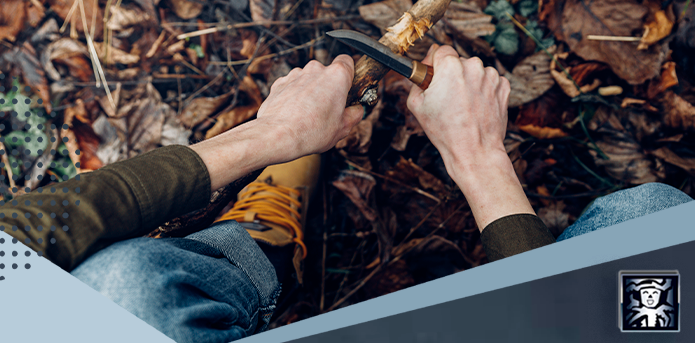
Pocket Knife vs Fixed Blade Knife in Bushcraft: Advantages, Uses, and Which One to Choose
When practicing bushcraft, one of the most important decisions is choosing the right cutting tool. Both pocket knives and fixed blade knives play a key role in outdoor activities, but each offers different advantages depending on the intended use.
Your choice will depend on factors such as the type of tasks you perform, the duration of your trips, and the level of stress the tool will be subjected to.
Why Is Choosing the Right Tool Important in Bushcraft?
Bushcraft involves tasks such as fire preparation, woodworking, shelter building, and food preparation. To carry out these activities effectively, it is essential to have a tool that is comfortable, safe, and durable.
While a pocket knife stands out for its portability, a fixed blade knife offers greater strength for demanding work. For this reason, there is no universally superior option—only a tool that is better suited to each situation.
Which Bushcraft Tasks Are Best Performed with a Pocket Knife?
Pocket knives are an excellent choice for those looking for lightweight and convenient equipment. Thanks to their folding design, they take up very little space and are easy to carry during outdoor excursions and hiking trips.
Some of their most common bushcraft uses include:
• Cutting ropes and cordage.
• Preparing food.
• Performing small precision tasks.
• Opening packages or lightweight materials.
Advantages of a Pocket Knife in Bushcraft
• Lightweight.
• Easy to carry.
• Highly versatile for everyday tasks.
• Wide variety of models and sizes available.
For occasional activities or low-intensity outings, a quality pocket knife can meet most needs.
Which Bushcraft Tasks Require a Fixed Blade Knife?
Fixed blade knives are designed to withstand greater stress and provide enhanced safety during use. They are particularly useful when bushcraft involves intensive woodworking or survival-related tasks.
Some of their most common uses include:
• Carving wood.
• Preparing tinder for fire starting.
• Building shelters.
• Processing branches and firewood.
• Crafting wooden tools and utensils.
Batoning and Demanding Bushcraft Tasks
Batoning involves striking the spine of the knife to split wood. This technique requires a strong and stable tool, making fixed blade knives the most recommended option.
Their solid construction allows force to be transferred more efficiently while reducing the risk of damage or mechanical failure.
Advantages of a Fixed Blade Knife for Bushcraft
Many bushcraft enthusiasts consider the fixed blade knife to be the primary bushcraft tool due to its strength and reliability.
Its main advantages include:
• Greater durability and strength.
• Better control while cutting.
• Increased safety during demanding tasks.
• Longer service life.
• Ability to handle heavy-duty work.
For these reasons, it is often the preferred choice for those who practice bushcraft regularly.
Want to know which is better for bushcraft: a pocket knife or a fixed blade knife?
Contact us, and we’ll help you choose the best tool for your needs!
Comments (0)