
- News
- 0 likes
- 1179 views
- 0 comments
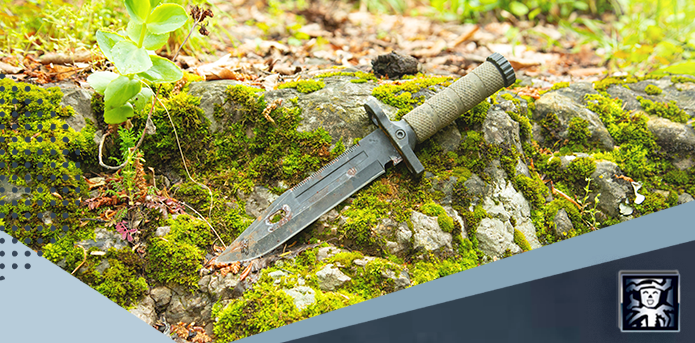
Common Mistakes When Using Knives in Summer: How to Care for a Knife to Prevent Rust
Summer is the time of year when we use our knives the most. Hunting trips, bushcraft adventures, hiking routes, barbecues, and camping weekends mean these tools are constantly exposed to elements that can affect both their performance and appearance.
Although many modern knives are made from high-quality stainless steels such as Böhler N695 or Sandvik 14C28N, this does not mean they are maintenance-free. Sweat, sand, salt, and food residue can accelerate wear if they are not properly cleaned and maintained.
Knowing the most common mistakes and learning how to care for a knife correctly will help preserve its edge, protect its materials, and extend its lifespan for many years.
- Avoid the Most Common Knife Care Mistakes
Very often, it is not the use of a knife that causes damage, but the small oversights made afterwards. These are some of the most common mistakes.
- Storing Your Knife Without Drying It
One of the most common mistakes is putting a knife away immediately after using it. Even if it appears clean, moisture can remain on the blade or handle for hours.
If the knife is then placed inside a leather sheath that is still damp, it creates the perfect environment for surface stains or even small rust spots to develop.
Before storing your knife, take a few seconds to dry it thoroughly with a clean cloth.
- Thinking Stainless Steel Requires No Maintenance
This is a widespread misconception. Just because a knife is made from stainless steel does not mean it is completely resistant to corrosion.
Sea salt, sweat from your hands, humidity, or acidic foods can all affect any type of steel if they remain on the surface for too long.
A simple cleaning after every use is enough to keep the steel in excellent condition.
- Not Cleaning Food Residue
During a barbecue, picnic, or outdoor meal, it is common to use the same knife several times before putting it away.
Grease, fruit, vegetables, and acidic food residues can remain on the blade for hours, affecting both the finish and the cutting edge.
Whenever possible, clean the knife with warm water and mild soap before storing it.
How to Care for a Knife When Exposed to Sand and Salt
The beach and coastal environments are particularly harsh on any cutting tool.
- Sand Can Damage Folding Knife Mechanisms
Fine grains of sand can easily enter the pivot or locking mechanism of a folding knife, making it harder to operate and causing premature wear.
After using your knife in a sandy environment, it is advisable to remove any sand or debris before storing it again.
- Salt Accelerates Corrosion
Sea breeze deposits tiny salt particles on the blade, even if the knife never comes into direct contact with seawater.
For this reason, after spending time by the coast, it is recommended to rinse the blade with fresh water, dry it carefully, and, if it will not be used for a while, apply a thin layer of protective oil
Don't Forget About the Handle
When maintaining a knife, most people focus only on the blade, but the handle also requires proper care.
- Wood and Stag Antler Handles Need Conditioning
Natural materials such as walnut wood or stag antler can lose some of their appearance if exposed to sunlight, heat, or humidity for long periods.
Applying a suitable conditioning product from time to time will help preserve their beauty and prevent them from drying out.
- Micarta Also Needs Cleaning
Micarta handles are well known for their durability and excellent grip, even in wet conditions.
Even so, it is advisable to remove any accumulated dirt after each outing to maintain all their original properties.
- Take Care of Your Knife So It Lasts for Years
Proper knife maintenance does not require specialist knowledge or expensive tools. The key is to establish a simple routine after every use.
Cleaning the knife, drying it thoroughly, avoiding storing it while damp, and protecting the blade if it will be stored for an extended period are simple habits that take only a few minutes but make a significant difference over time.
Whether you own a hunting knife, a bushcraft tool, or an everyday outdoor knife, proper maintenance ensures better performance, greater safety, and a much longer service life.
If you're looking for knives made from premium materials and designed to accompany you for years, choose models built to deliver durability, precision, and reliability in any environment.
Not sure which knife best suits your needs?
Our team can help you choose the model that best matches the way you'll use it.
Comments (0)